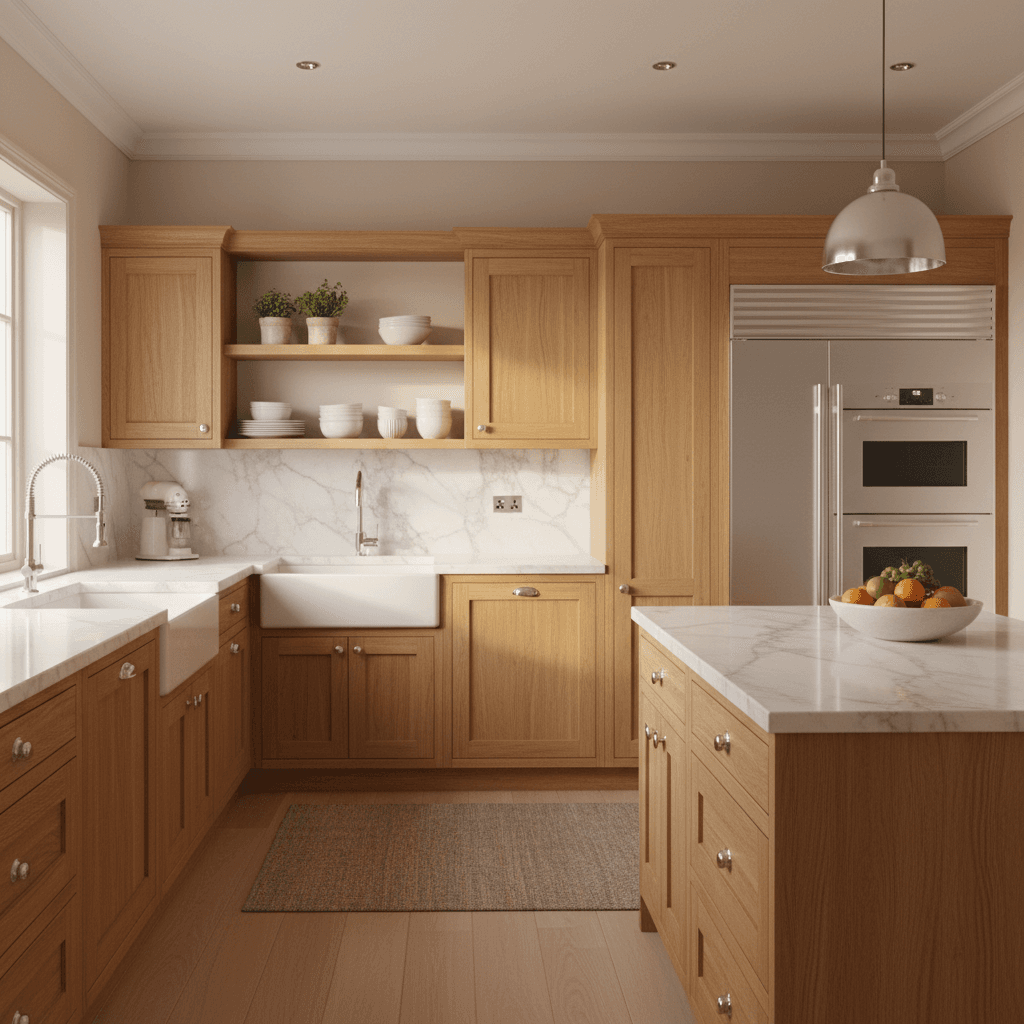
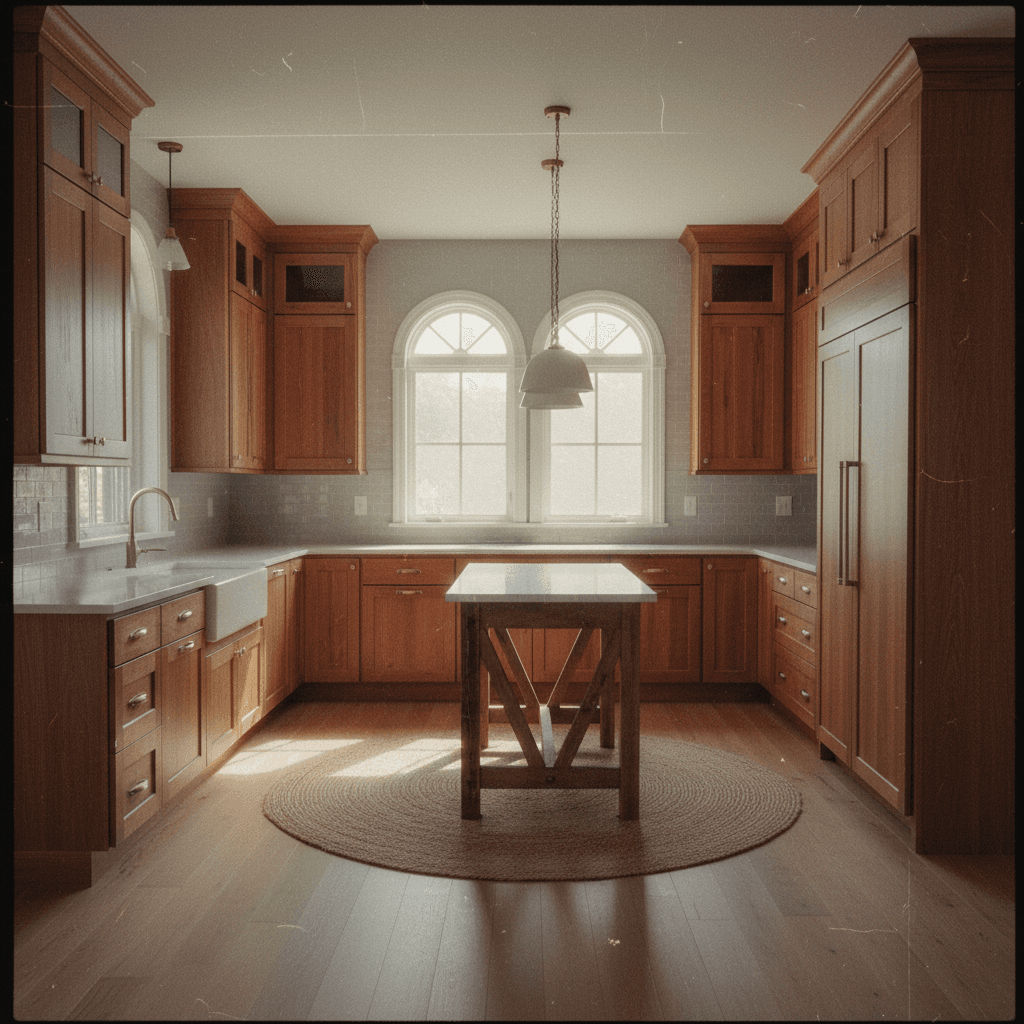
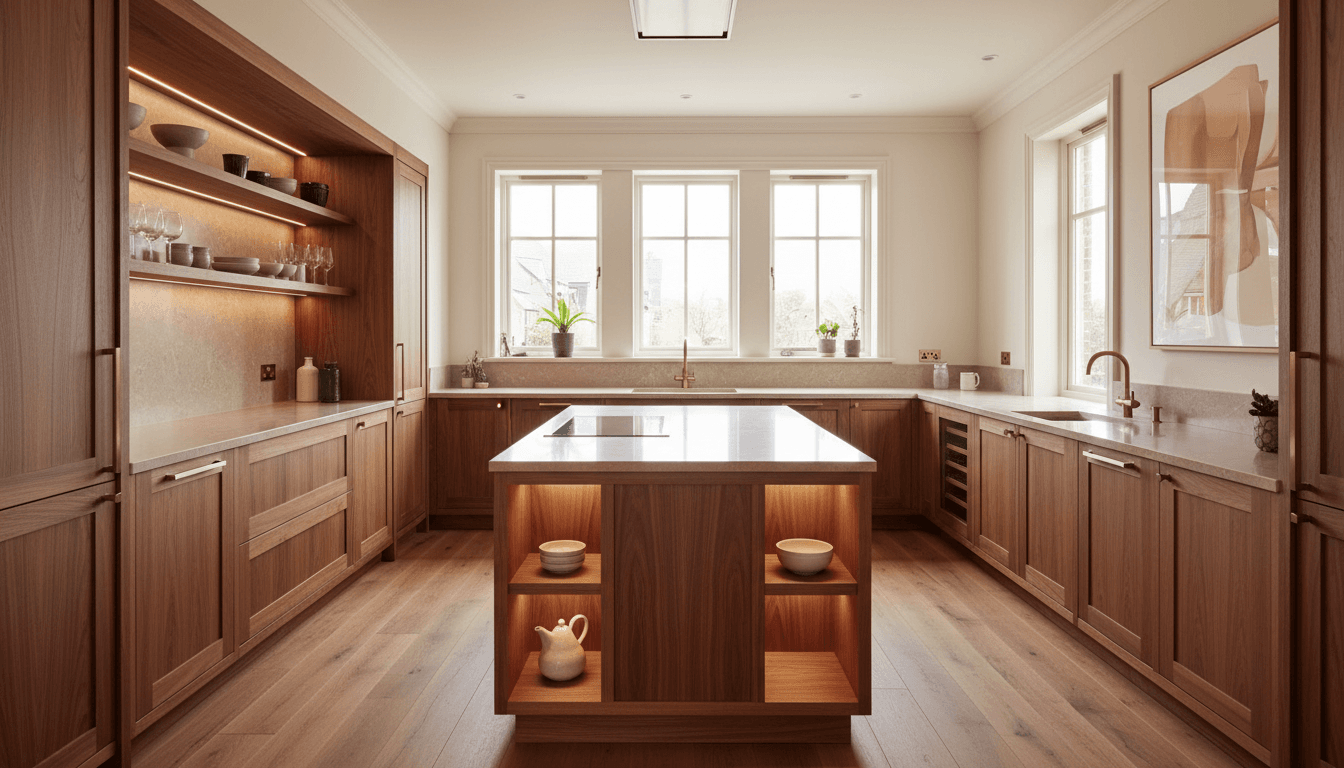
To effectively learn how to clean and maintain wood kitchen cabinets, wipe surfaces with a mixture of warm water and mild dish soap followed by immediate hand drying. For long-term protection, homeowners should also maintain stable indoor humidity and use window treatments to shield wood from UV damage and fading.
Your kitchen cabinets represent a significant investment in both your home's value and its daily aesthetic, yet the harsh reality of Utah's arid climate often leaves even the finest woodwork looking dull or weathered. Between the persistent grease of a busy kitchen and the drying effects of high altitude air, maintaining that original showroom luster requires more than a simple wipe down. At Keith Cabinet, we understand that wood is a dynamic material that responds to its environment. This guide provides a professional blueprint for preserving your cabinetry against the unique challenges of the Beehive State. You will discover effective cleaning routines, strategies for managing Carbon County humidity, and the truth about common household cleaners. From UV protection to identifying when professional restoration is necessary, we will ensure your wood surfaces remain a timeless centerpiece of your home.
Why Utah Climate Requires a Unique Approach to Cabinet Care
Wood is a living, breathing material that constantly interacts with its surroundings. Even after it is harvested, milled, and finished into quality custom cabinetry, it retains its hygroscopic nature, meaning it absorbs and releases moisture based on the air around it. In Carbon County, homeowners face environmental challenges that generic internet cleaning guides rarely address. Our high-altitude, low-humidity climate creates a unique set of stressors for wood surfaces that demand specific care.
While homeowners in coastal regions primarily worry about wood rot or excessive swelling, the primary threats in Utah are wood shrinkage and finish cracking. When the air becomes exceptionally dry, the wood fibers contract. This often leads to visible gaps in the joints of a kitchen cabinet design or hairline fractures in the protective topcoat. Furthermore, the intensity of high-altitude UV rays accelerates photodegradation, causing wood to discolor or amber much faster than in lower elevations. Understanding how to clean and maintain wood kitchen cabinets in this specific environment requires moving beyond simple grease removal; it requires a strategy to preserve the wood's internal moisture balance and structural integrity against a harsh, dry landscape.
The Daily and Weekly Routine: How to Clean Wood Kitchen Cabinets Without Damaging the Finish
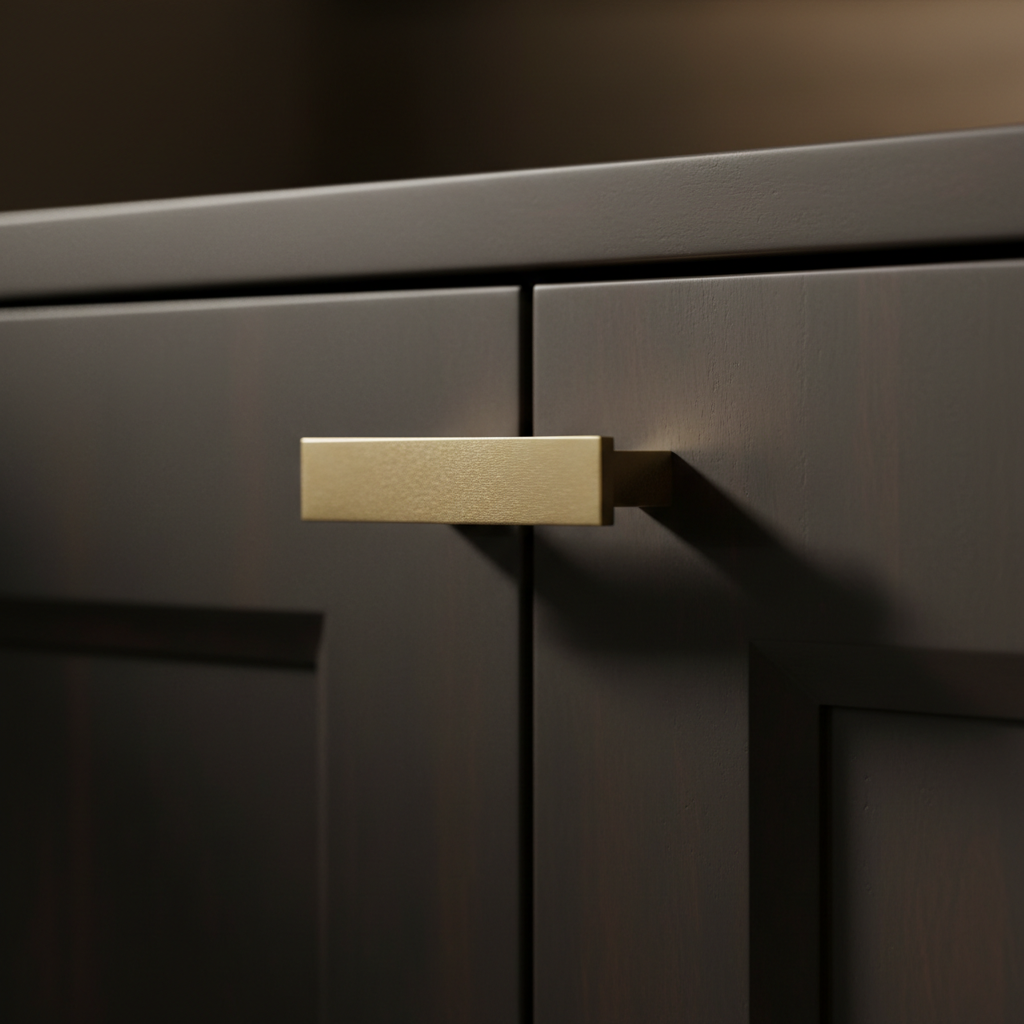
Maintaining the integrity of a professional finish starts with a "less is more" philosophy. While it is tempting to reach for heavy duty degreasers, most high quality cabinetry is protected by a catalyzed conversion varnish or a similar durable topcoat that can be compromised by harsh chemicals. For a safe, effective cleaning solution, mix exactly two drops of a mild dish soap, such as Dawn, into one quart of warm water. This low concentration provides enough surfactant to break down surface oils without leaving a sticky film that attracts Utah dust.
The application method is just as critical as the solution itself. Use a soft, clean microfiber cloth. Dip the cloth into the mixture and wring it out thoroughly until it is only slightly damp to the touch; it should never be dripping. A common mistake in kitchen cabinet design maintenance is spraying cleaners directly onto the wood surface. Doing so allows liquid to pool in the corners of raised panels or seep into the joinery. Over time, this trapped moisture causes the wood fibers to swell, leading to cracked finishes or permanent structural warping at the seams.
To achieve a professional, streak free result, employ a two step "dry wipe" technique. After wiping a section with the damp cloth, immediately follow with a second, completely dry microfiber cloth. This removes any lingering moisture before it has a chance to settle into the wood grain. By adopting this routine weekly, you prevent the buildup of cooking residues and skin oils near handles, ensuring your quality custom cabinetry retains its original sheen for years. This simple, disciplined approach is the most effective way to handle how to clean and maintain wood kitchen cabinets without risking the long term health of the material.
Combating the Crafty Dangers of Carbon County: Heat and Humidity

The arid climate of Carbon County presents a silent threat to even the finest quality custom cabinetry. When humidity drops below 30 percent, wood loses internal moisture and physically shrinks. This often reveals thin, unfinished lines along the edges of floating center panels in a traditional kitchen cabinet design, as the panel pulls away from the stiles and rails. To prevent this structural stress, aim to maintain a consistent indoor humidity level between 30 and 45 percent. Utilizing a whole home humidifier or a localized room unit protects the wood from the cycle of expansion and contraction. Additionally, avoid the common habit of hanging wet dish towels over cabinet doors. This creates a localized microclimate of high moisture that can cause the wood grain to swell and the finish to peel or discolor over time.
Protecting Against Stove Heat
Managing heat is a critical component of how to clean and maintain wood kitchen cabinets in a high performance kitchen. High heat events, particularly self cleaning oven cycles, generate temperatures that can reach nearly 900 degrees Fahrenheit. This intense radiant heat can delaminate finishes or cause the wood to scorch. If your oven is installed adjacent to cabinetry, ensure that professional heat shields are mounted on the sides of the cabinet boxes to deflect this energy.
Furthermore, always run the range hood during any high heat cooking. A quality hood does more than vent odors; it pulls rising heat and steam away from the upper cabinet faces, preventing the protective topcoat from becoming brittle or yellowing prematurely. Consistent use of your ventilation system is a maintenance habit that preserves the integrity of the wood as much as any cleaning routine.
Natural Solutions: Can You Use Vinegar or Baking Soda?
Homeowners often seek eco-friendly alternatives for home maintenance, but caution is necessary when applying these to the high grade finishes found on quality custom cabinetry. Vinegar is a staple for cleaning glass inserts, yet its acetic acid content poses a long term risk to wood. Over time, the acidity can chemically break down the professional topcoat, leading to a dull or tacky surface. If you encounter stubborn grease that soap cannot budge, use a heavily diluted solution of one part white vinegar to ten parts water. It is vital to dry the surface immediately to prevent the acid from lingering in the wood pores.
Baking soda should be avoided entirely on wood surfaces. Even when mixed into a paste, it acts as a mechanical abrasive. Scrubbing with baking soda can micro-scratch the finish, permanently stripping away the intended sheen of your kitchen cabinet design. Instead of harsh household powders, opt for a natural moisture barrier such as beeswax or carnauba-based polish once or twice a year. In our dry Carbon County air, these natural waxes provide a breathable seal that helps replenish the wood’s moisture and protects against the environmental stressors inherent in how to clean and maintain wood kitchen cabinets. These solutions offer the protection wood needs without the corrosive side effects of common pantry staples.
Is Murphy Oil Soap Good for Wood Cabinets?
Homeowners frequently ask if traditional oil soaps are a safe choice for their quality custom cabinetry. While these products have been a household staple for generations, they require a nuanced approach when used on modern finishes. The primary concern with oil based soaps is the thin, invisible film they leave behind. This residue is particularly problematic if you ever plan to update your kitchen cabinet design with a professional touch up or refinish. Modern paints and varnishes cannot bond to an oily surface; this often results in finish failure or an uneven, "orange peel" texture during the recoating process.
A better strategy for how to clean and maintain wood kitchen cabinets involves using pH neutral cleaners that leave zero residue. It is also important to distinguish between cleaning, which removes surface oils and grime, and polishing, which adds a layer of protection. In the dusty environment of Carbon County, excessive use of oil based products often backfires. The oil traps fine airborne particles, creating a sticky buildup that actually makes the wood look duller over time. Focus on removing dirt rather than layering on unnecessary oils to keep the factory finish pristine.
Deep Cleaning: Removing Stubborn Grease and Grime Naturally
Even with consistent weekly wiping, certain high traffic zones require a more focused approach. The wood surrounding handles and knobs, as well as the surfaces directly adjacent to the stove, act as magnets for cooking oils and skin proteins. When these substances bond, they create a stubborn film that a standard damp cloth cannot penetrate. To address these spots naturally, create a concentrated cleaning paste by mixing a small amount of warm water with a few extra drops of mild dish soap.
The secret to an effective deep clean for quality custom cabinetry is patience rather than physical force. Apply the soap paste to the targeted area and let it sit for approximately 30 seconds. This dwell time allows the surfactants to break the bond between the grease and the finish. Avoid the urge to scrub vigorously; excessive friction can leave permanent swirl marks or burnish the topcoat, which creates an uneven sheen across your kitchen cabinet design.
For the intricate grooves found in Shaker style or raised panel doors, utilize a soft bristled toothbrush. This tool is ideal for gently lifting the dust and solidified grease that often settles into tight corners. By allowing the solution to do the heavy lifting, you successfully navigate how to clean and maintain wood kitchen cabinets without compromising the structural integrity of the wood or the clarity of its protective finish.
Protecting Your Investment from High Altitude UV Rays
Beyond surface grime, the environmental reality of living at high altitude in Utah poses a constant threat to the aesthetics of your woodwork. Carbon County’s intense UV radiation triggers chemical changes in wood fibers that simple cleaning cannot reverse. This typically manifests as either ambering, where light woods like cherry or maple darken over time, or fading, where stained pigments lose their depth and vibrancy.
To protect quality custom cabinetry, prioritize the use of UV-blocking window films or high-quality window treatments, particularly on south-facing kitchen windows. This intervention is a vital part of how to clean and maintain wood kitchen cabinets in our specific region. Homeowners should also be wary of "ghost" outlines. If you display canisters or decorative items on your countertops or open shelving, rotate them every few months. This practice allows your kitchen cabinet design to age uniformly, preventing the permanent, lighter silhouettes that occur when one section of wood is shielded while the rest matures under the sun.
When Maintenance Isn't Enough: Signs You Need Professional Restoration
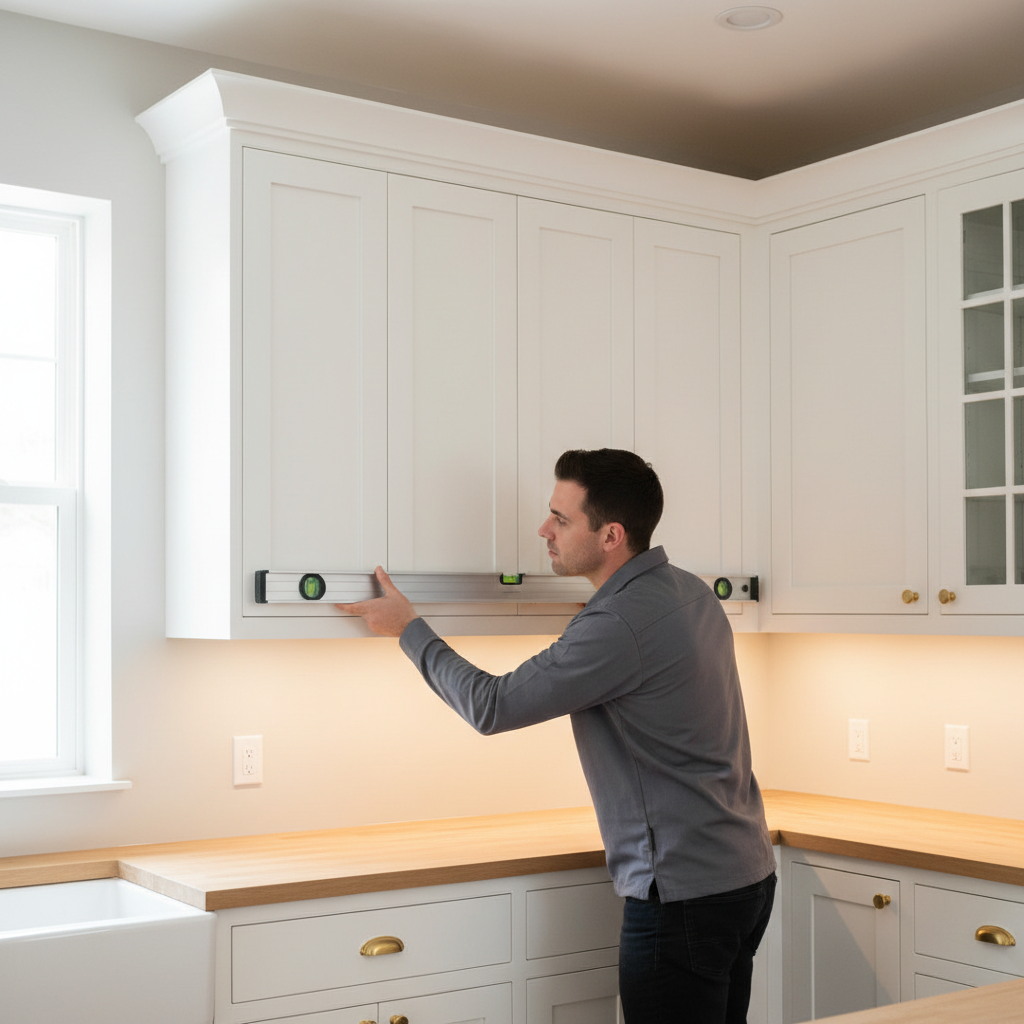
Even with a dedicated routine for how to clean and maintain wood kitchen cabinets, environmental stressors can eventually exceed the limits of home care. A primary indicator of finish failure is a persistent "sticky" or tacky texture that remains after a thorough cleaning with mild soap. This typically signifies that the protective topcoat has chemically broken down due to years of oil exposure, high heat, or caustic cleaners; no amount of scrubbing will restore the original sheen once the chemical bond is lost.
In the arid environment of Carbon County, watch for deep structural cracks that penetrate through the wood grain rather than just the surface finish. If doors have warped significantly or joinery has completely separated, the wood’s internal cellular structure is likely compromised by extreme dryness. Additionally, check the base of sink cabinets for "mushrooming" or dark staining. This significant water damage indicates that the material has absorbed enough moisture to swell permanently, risking mold and structural instability. When these signs appear, the focus shifts from maintenance to professional restoration or the installation of quality custom cabinetry. Investing in a new kitchen cabinet design ensures your space regains the durability and appearance that only professional fabrication can provide.
Keeping your wood cabinets clean and dry is the best way to ensure they last for years in our unique Utah climate. Regular maintenance prevents grime buildup and protects the finish from wearing down prematurely. While these DIY tips go a long way, some projects require a more specialized touch to truly revitalize your kitchen space. If you want expert help with your cabinetry needs, feel free to learn more about Keith Cabinet and how we can assist you. We are always here to help you achieve the perfect look for your home.