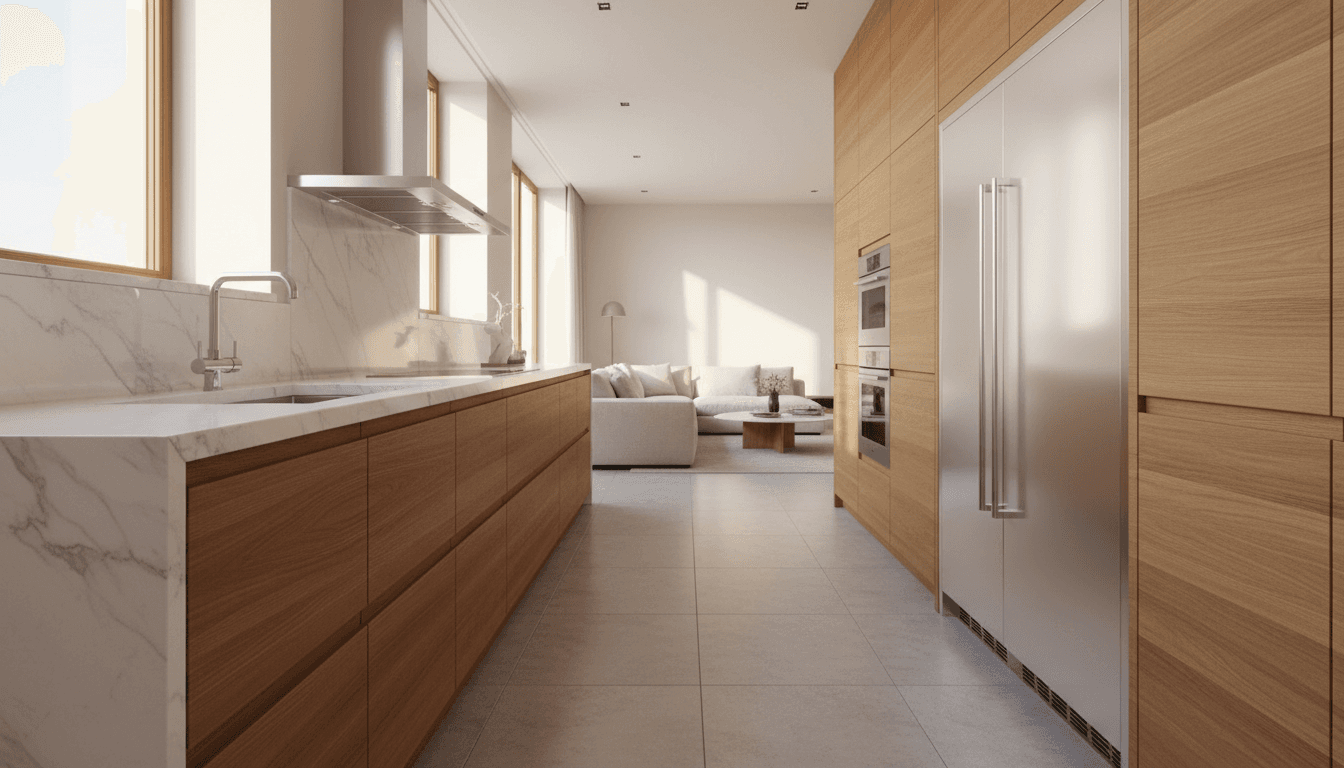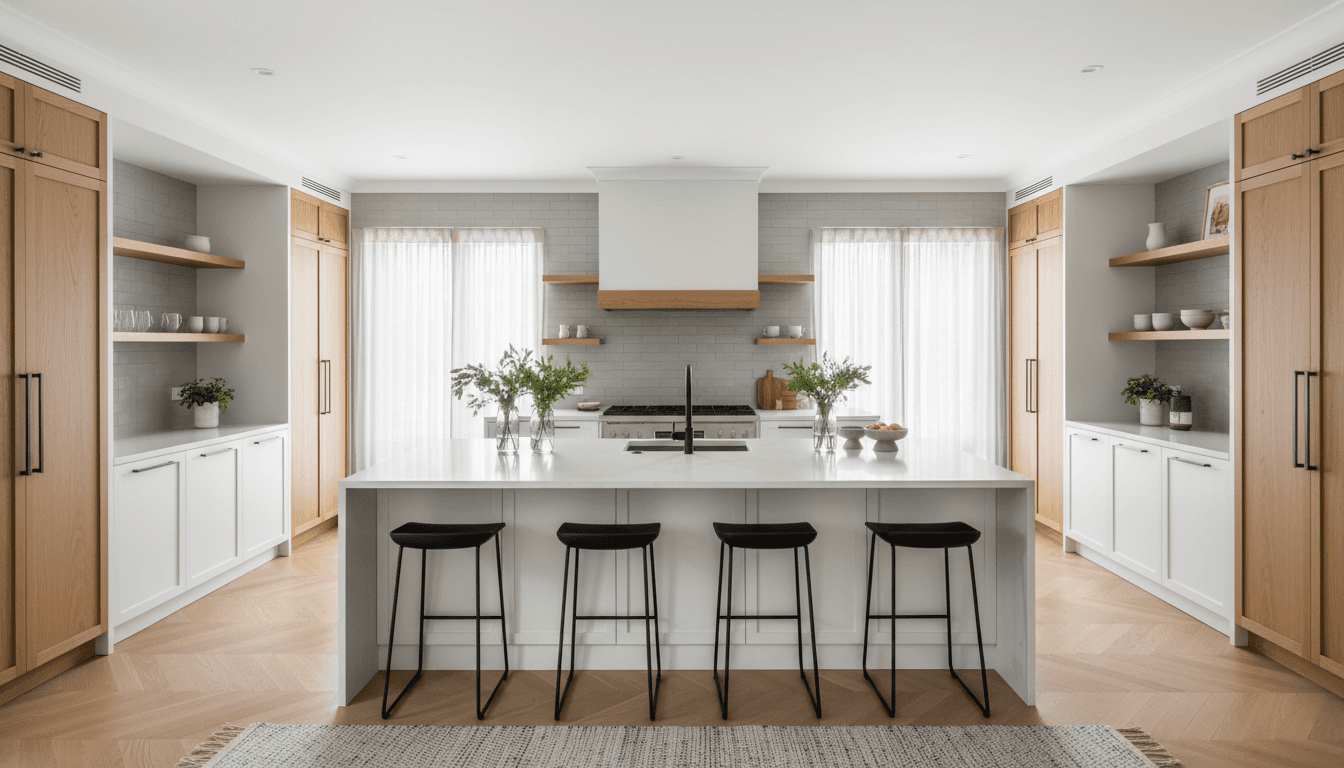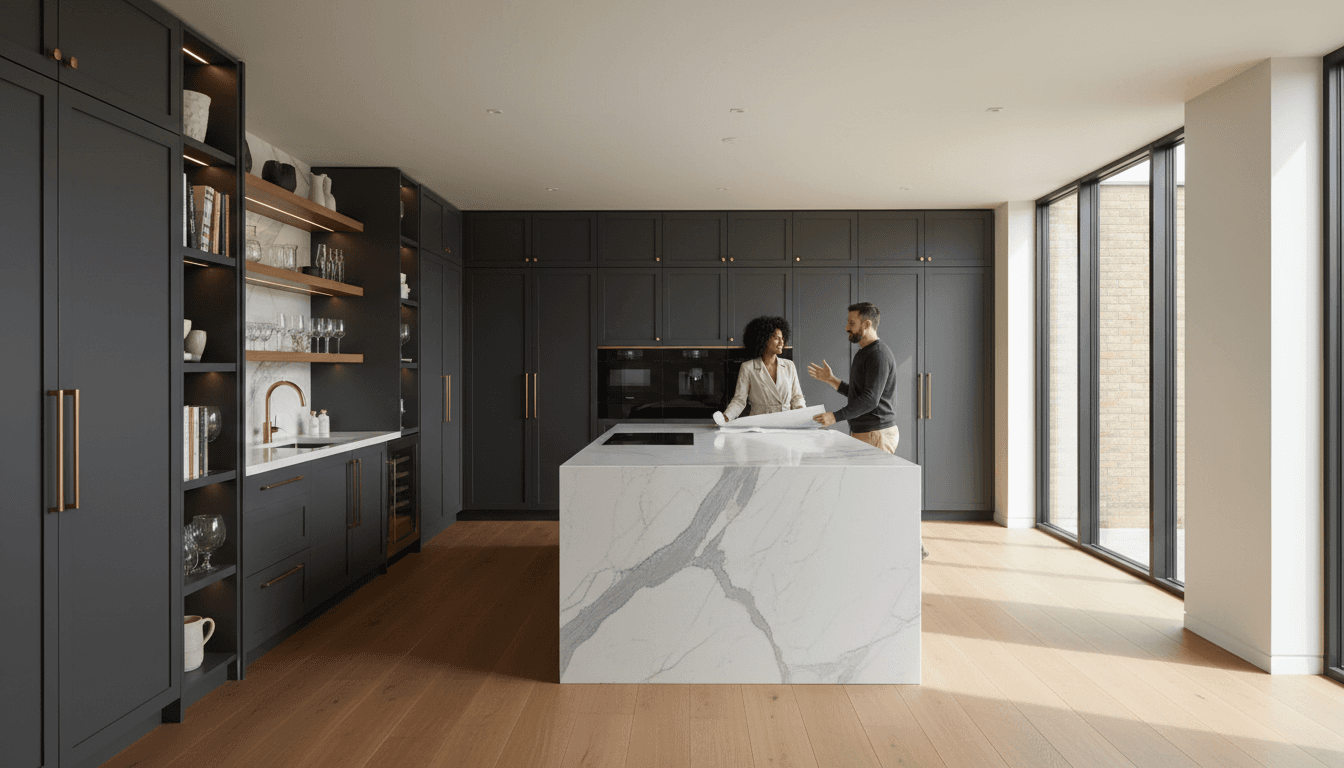
Knowing when to replace kitchen cabinets involves looking for signs of structural failure, severe water damage, or outdated functionality that hinders your daily use. If the cabinet frames are soft or the layout no longer supports your needs, replacement provides a more durable and valuable solution than simple repairs. This upgrade is essential when you want to modernize your home's aesthetic and maximize its overall market value.
Your kitchen should be the functional heart of your home, yet many homeowners in Carbon County find themselves fighting with sticking drawers, peeling veneers, or a layout that feels decades behind their modern lifestyle. When your cabinetry begins to fail, it is more than just an eyesore; it affects the structural integrity of your workspace and the resale value of your property. Understanding whether to invest in a simple refresh or a complete overhaul is essential for any serious renovation. In this guide, we will examine the five critical indicators that replacement is necessary, from invisible mold growth to visible structural softness; we will also compare the long term financial benefits of replacing versus refacing. This overview provides the practical expertise needed to make an informed investment for your Utah home.
Recognizing When Your Kitchen Cabinets Have Reached Their Limit
In the modern Utah home, the kitchen is no longer just a utility space for meal preparation; it is the primary hub for family life and social gatherings. For homeowners in Carbon County, this often creates a unique challenge. Many residences in Price, Helper, and Wellington possess a distinct historical charm that owners want to preserve, yet the original cabinetry often fails to meet today’s functional requirements. This leads many to the difficult question of when to replace kitchen cabinets. It is rarely a simple decision, as you must determine if your frustration is a matter of cosmetic preference or a structural necessity.
While common industry benchmarks often suggest that cabinets should last 30 years, modern reality frequently dictates a shorter timeline. Increased daily usage, the weight of modern stone countertops, and the integration of heavy appliances place physical demands on cabinet boxes that older construction methods were not designed to handle. Deciding between a simple facelift and a full replacement requires evaluating the integrity of the frames and the efficiency of the current footprint. At Keith Cabinet, we help homeowners determine if their existing setup can be salvaged or if a fresh start with custom cabinet design and installation is the only way to achieve the durability and utility their lifestyle demands.
1: Visible Water Damage and Structural Softness
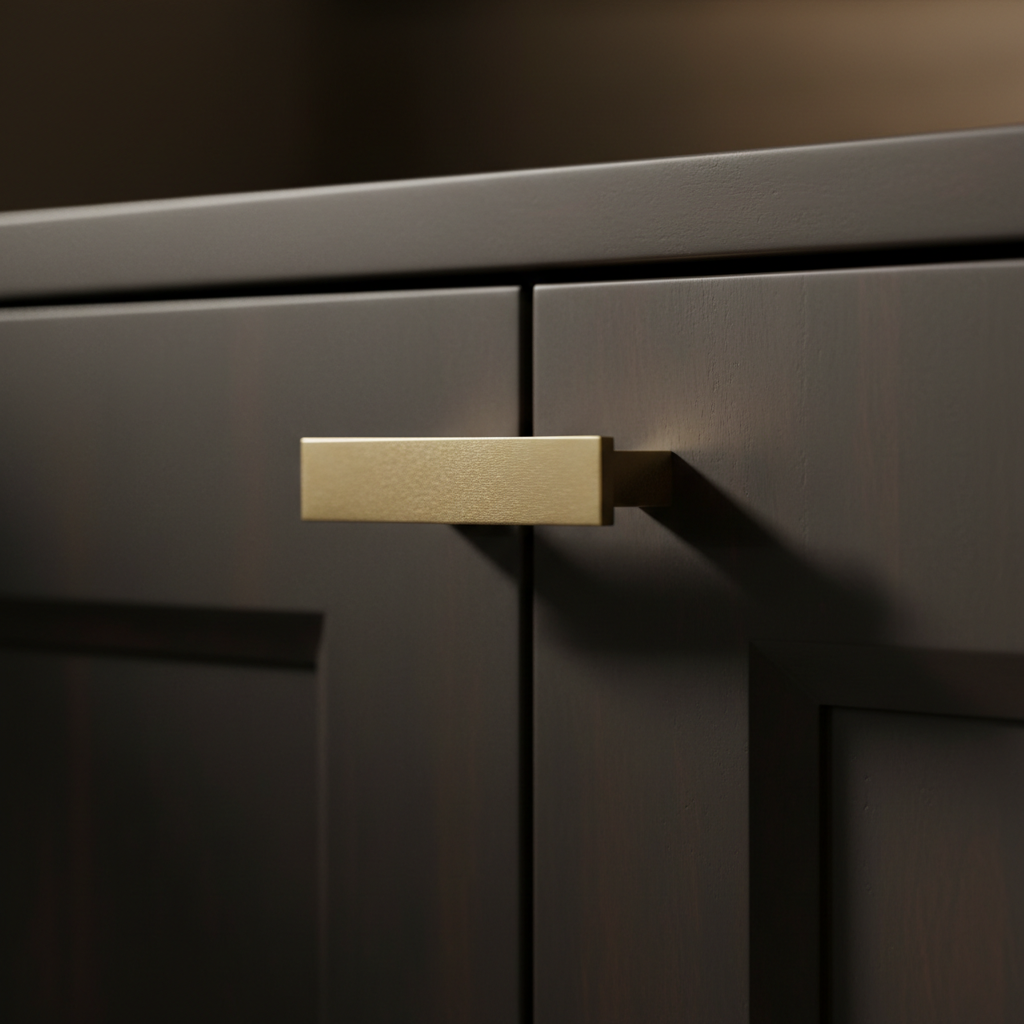
Water damage is the most critical sign that your cabinetry has reached the end of its functional life. In many Carbon County kitchens, the area beneath the sink or adjacent to the dishwasher bears the brunt of slow leaks or high humidity. You should look for telltale indicators like bubbling laminate, swollen wood fibers, or dark stains on the interior floor of the cabinet box. If the wood feels "soft" or spongy when pressed, the internal cellulose structure is already decomposing.
Utah’s unique environment complicates these issues. Our dry climate often accelerates the degradation of water-damaged wood. When cabinetry becomes saturated and subsequently dries out in our low humidity, the fibers often shrink and crack, leading to permanent warping and splitting. This cycle prevents the cabinet from remaining square and level, which eventually interferes with drawer tracking and door alignment. Determining when to replace kitchen cabinets often begins with a close inspection of these hidden moisture zones.
It is vital to distinguish between a damaged door and a compromised cabinet box. While a warped door is a cosmetic nuisance that can be swapped, a soft or crumbling box is a structural failure. Modern stone countertops, such as granite or quartz, are incredibly heavy and require a rigid, stable base for support. A cabinet box weakened by moisture cannot reliably hold that weight, creating a significant safety hazard. If you notice the sides or bottom panels are pulling away from the wall or sagging under the weight of the counter, a full replacement is the only professional solution. You can view our cabinet portfolio to see how new, structurally sound installations can transform these high-moisture zones into durable, long-lasting workstations.
2: Your Kitchen Layout No Longer Works for Your Lifestyle
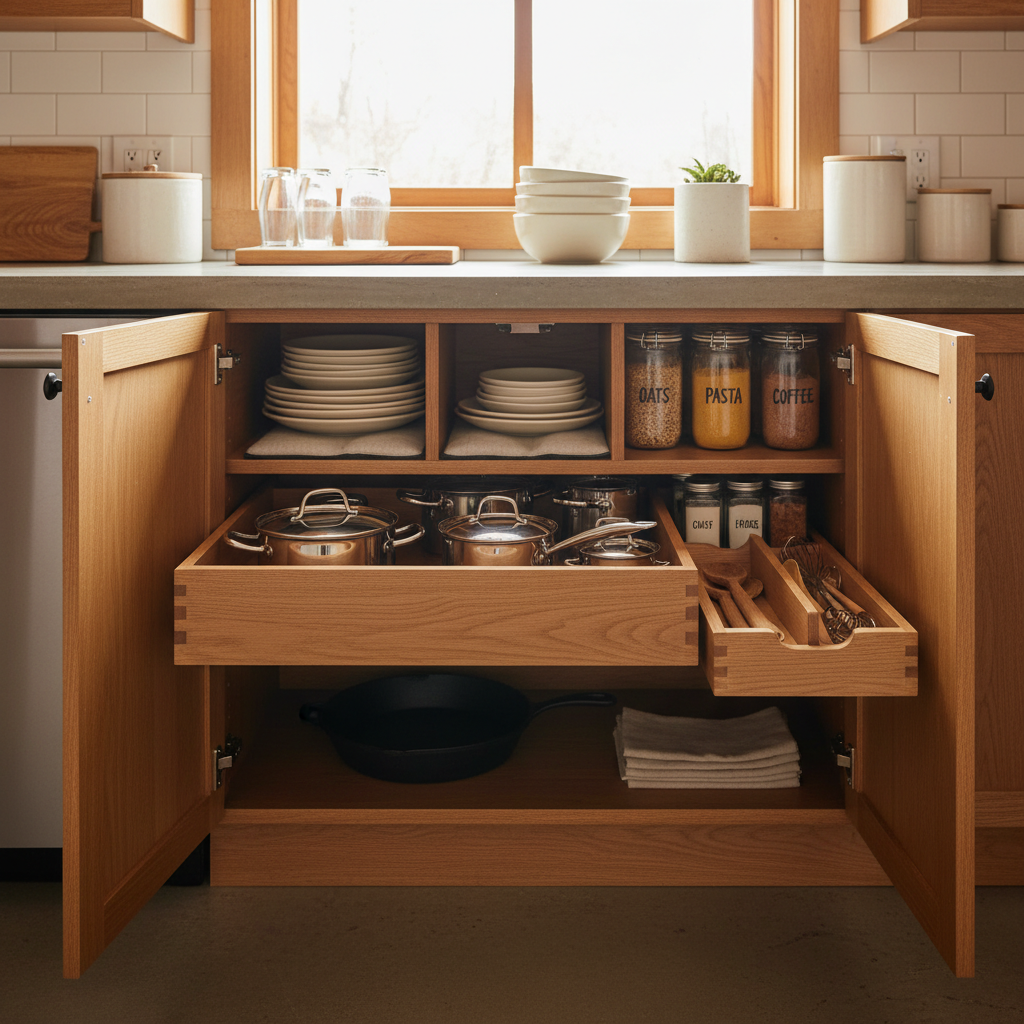
While structural integrity is objective, the day to day usability of your kitchen is often what determines when to replace kitchen cabinets. Many homeowners in Carbon County follow the 1/3 rule used by professional designers; if one third or more of your kitchen layout feels inefficient or cluttered, it is time for a full redesign rather than a superficial update. Older kitchens in Price or Wellington were often built with narrow cabinets and hard to reach corner blind spots that waste valuable square footage and make meal preparation a chore.
Modern lifestyles demand specialized storage that older cabinetry simply does not offer. For instance, deep pot drawers have largely replaced standard lower cabinets because they eliminate the need to crouch down to find a lid. Integrating pull out trash bins, built in spice racks, and heavy duty soft close hinges significantly improves the flow of a busy household. If you find yourself constantly shuffling appliances to reach a workspace or struggling with a lack of counter space, the problem lies in the original footprint of the boxes.
It is important to recognize that cabinet refacing is strictly a cosmetic fix. While swapping doors can update the look of the room, it cannot relocate a stove, expand a narrow walkway, or add a kitchen island. Only a full replacement allows you to change the physical footprint of the room. Through custom cabinet design and installation, we can reconfigure the flow of your kitchen to better suit how you actually cook and gather today, turning a cramped, dated layout into an open and functional environment.
3: Persistent Odors or Mold Growth Inside the Boxes
Beyond layout frustrations, health and safety concerns often dictate when to replace kitchen cabinets. Over several decades, cabinetry constructed from porous materials like older MDF or low-grade particle board effectively acts as a sponge. These materials absorb organic compounds from years of heavy cooking, pet dander, and stagnant moisture. If a deep scrubbing or a fresh coat of paint fails to eliminate a lingering, musty scent, the core material itself has likely reached a point of saturation. At this stage, the odor is embedded within the fibers of the box, and no topical treatment will provide a permanent remedy.
More critically, homeowners must address the presence of mold. If you discover mold growth inside the boxes or along the wall-facing side of the back panels, surface cleaning is rarely a sufficient solution. Because cabinetry is often fixed directly against exterior walls, hidden pipe leaks or wall-cavity condensation can foster mold colonies that thrive in the dark gap between the wood and the drywall. For families in Carbon County, maintaining a healthy indoor environment requires recognizing that compromised cabinetry cannot be safely salvaged. Complete removal and custom cabinet design and installation using high-quality, moisture-resistant materials is the only professional way to ensure your kitchen remains a safe space for food preparation and daily life.
4: Low Quality Materials That Are Falling Apart
Structural integrity is often compromised by the original choice of materials. In many Utah residential developments, contractors installed builder grade cabinetry designed for speed and low cost rather than longevity. These mass produced units frequently rely on thin particle board and staples to hold the frames together. Over time, the tension of daily use causes these staples to pull away from the frames, leading to misaligned boxes and gapping seams that no amount of screw tightening can fix.
Other clear indicators of low quality include drawers that stick or drop off their tracks because the light duty glides have warped or lost their ball bearings. If your cabinets have a plastic like coating that is bubbling or peeling at the edges, you are likely dealing with thermofoil. Once this heat shrunk laminate begins to delaminate from the underlying substrate, it cannot be effectively glued back down or painted.
At Keith Cabinet, we prioritize durability through custom cabinet design and installation techniques that surpass big box store standards. By utilizing solid wood frames, high grade plywood boxes, and heavy duty hardware, we ensure your cabinetry remains functional for decades. If your current cabinets feel flimsy or are literally coming apart at the seams, it is a definitive sign of when to replace kitchen cabinets with a solution built for the long haul.
5: Aesthetic Obsolescence Affecting Your Home Value
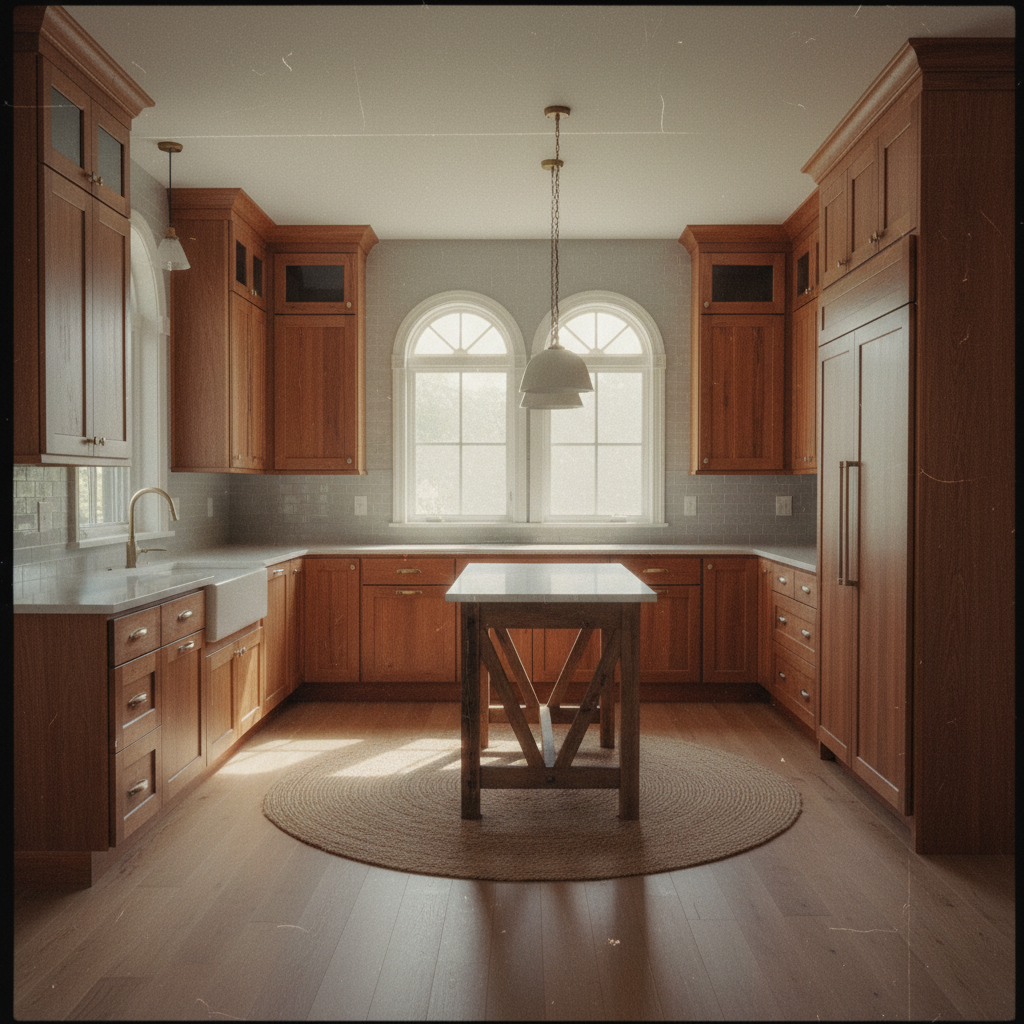
While structural failure is a clear catalyst, visual obsolescence is often the primary driver for homeowners deciding when to replace kitchen cabinets. In local real estate markets like Price and East Carbon, the kitchen serves as a critical selling point. Heavy, honey-colored oak or dark, ornate cherry styles popular in the 1990s can significantly suppress a home's resale value by signaling to buyers that expensive renovations are immediate requirements.
A common concern for those planning long-term updates is whether specific trends, like white cabinetry, will remain relevant. Looking toward 2026, white cabinets are not going out of style; however, they are evolving. The trend is moving away from sterile, blue-toned whites toward warmer, creamy hues and soft natural tones that feel more inviting and grounded. This shift allows for a look that is both modern and timeless, avoiding the pitfalls of flash-in-the-pan design fads.
Investing in custom cabinet design and installation offers one of the highest returns on investment for home improvements in Utah. Modernizing the aesthetics does more than just update the look; it repositions the entire property in the marketplace. If your current cabinetry makes the rest of your home feel anchored in the past, a full replacement provides the visual impact necessary to maximize equity. You can view our cabinet portfolio to see how updated color palettes and cleaner lines bridge the gap between historic charm and modern market expectations.
Cabinet Refacing vs. Replacing: Making the Right Financial Choice
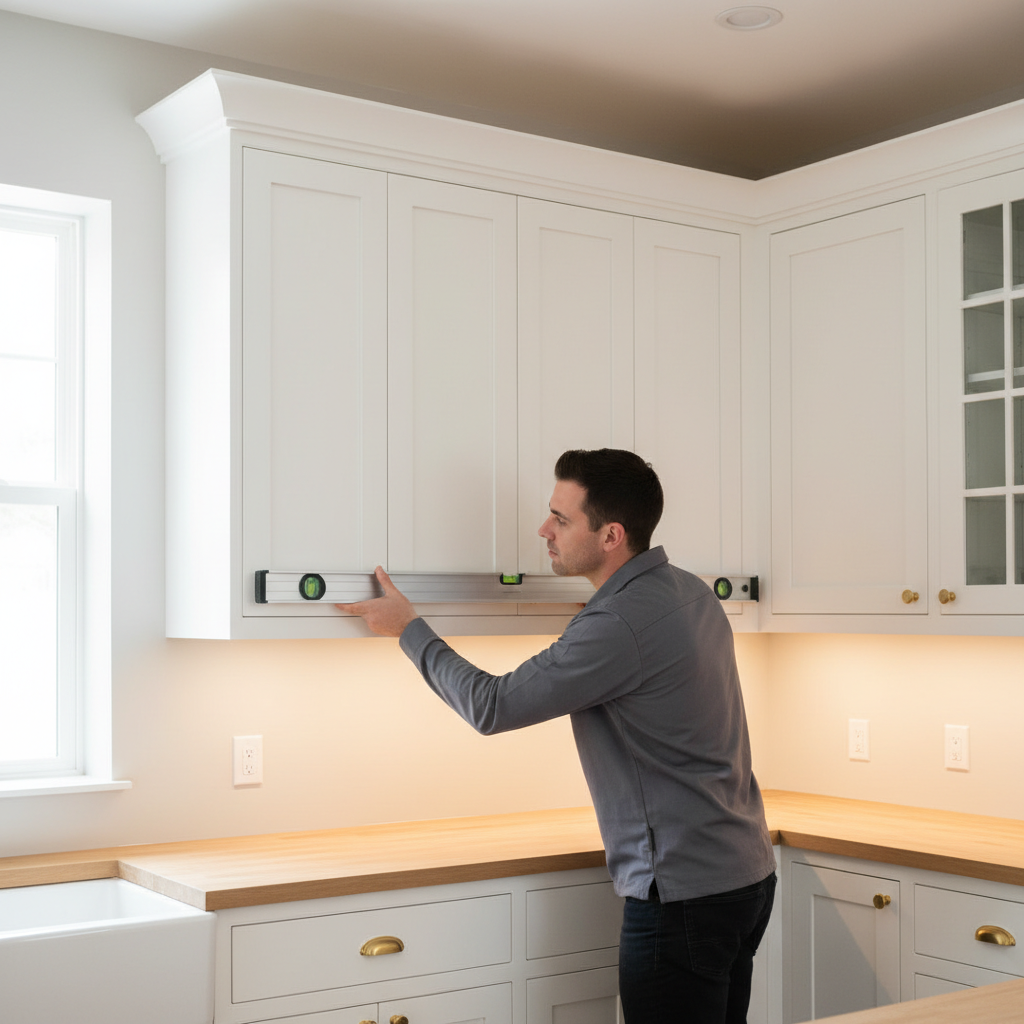
Homeowners often weigh the upfront savings of refacing against the long-term utility of a full replacement. Refacing involves keeping the existing cabinet boxes while installing new door fronts, drawer faces, and hardware. Replacing, however, involves the total removal of the old units and the custom cabinet design and installation of entirely new boxes and components.
Choosing between the two requires an honest assessment of your current frames. Refacing is only a viable option if your cabinet boxes are made of solid, high-quality wood and are in pristine structural condition. If you are satisfied with your current footprint, refacing can provide a fresh look. However, if your layout is inefficient or if the boxes show signs of the water damage or structural softening mentioned previously, refacing is a wasted expense. You would essentially be putting a new face on a failing foundation.
Feature | Cabinet Refacing | Cabinet Replacement |
|---|---|---|
Primary Action | New doors and drawer fronts | New cabinet boxes and fronts |
Layout Change | None possible | Full customization available |
Internal Storage | Stays the same | Pull-outs, deep drawers, better utility |
Structural Fix | No; hides existing damage | Yes; removes all rot or weakness |
In Carbon County, we frequently find that the labor costs associated with detailed refacing work can approach the price of a full replacement. When you factor in the ability to modernize your storage and ensure structural stability for the next several decades, the cost difference often makes replacement the superior investment. If you are unsure when to replace kitchen cabinets or if your frames can handle a simple face lift, you can contact Keith Cabinet for a professional assessment of your existing kitchen structure.
What Does Kitchen Cabinet Replacement Cost in Utah?

Estimating the financial investment for a project in Price or Helper requires looking at both local labor rates and current material costs. In Utah, most standard kitchen cabinet replacements range from $10,000 to $30,000. This broad spectrum exists because quality and customization are variables. A compact 10x12 kitchen serves as a common benchmark for pricing, but the final figure shifts significantly based on the materials and features you select.
Category | Typical Investment (10' x 12' Kitchen) | Key Features |
|---|---|---|
Entry-Level / Stock | $8,500 – $13,000 | Standard sizes, limited finishes, particle board boxes |
Semi-Custom | $14,000 – $24,000 | Plywood boxes, specialty finishes, soft-close hardware |
Fully Custom | $25,000 – $40,000+ | Unique hardwoods, tailor-made dimensions, premium inserts |
Several factors influence the final quote, including: - Box Construction: Plywood is more durable than particle board and better suited for heavy stone countertops. - Hardware Quality: High-grade, soft-close glides and hinges add to the initial cost but prevent future maintenance issues. - Finish Type: Factory-grade paints and complex stains require more labor than basic clear coats. - Integrated Features: Pull-out pantries, spice racks, and specialized drawer organizers increase utility but add to the bottom line.
Determining when to replace kitchen cabinets often depends on balancing these costs against the long-term value added to your home. At Keith Cabinet, we focus on custom cabinet design and installation that respects your budget while refusing to cut corners on the workmanship. We help homeowners find the ideal balance where durability meets affordability, ensuring the results handle the rigors of a busy Utah household. If you are ready to get an accurate estimate for your specific space, contact Keith Cabinet for a detailed consultation.
Recognizing when your kitchen cabinets have reached the end of their lifespan is the first step toward a more functional home. Whether you are battling wood rot or simply tired of an outdated look, these signs guide your next renovation phase. If you want expert help planning your kitchen upgrade in Carbon County, our team is ready to guide you through every choice. You can read more about us to see how we help local homeowners achieve their dream spaces. We look forward to helping you.