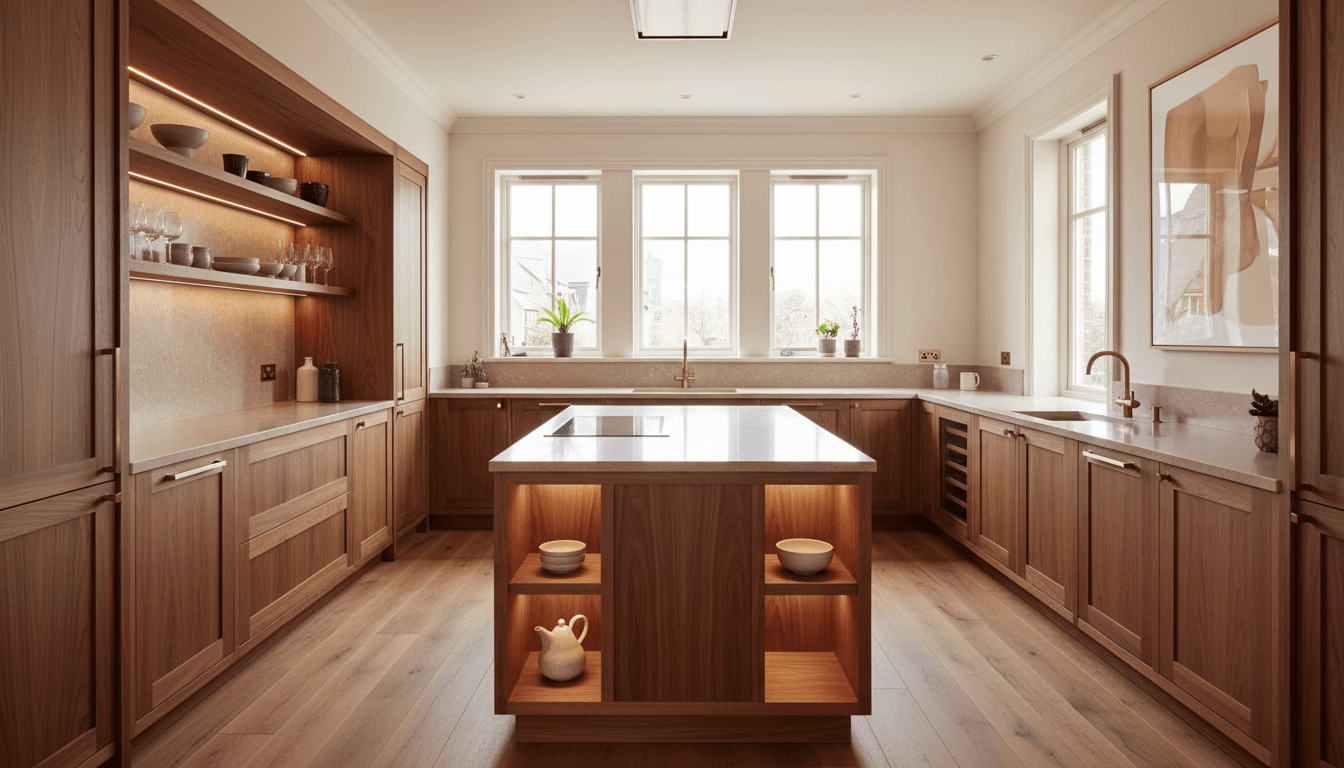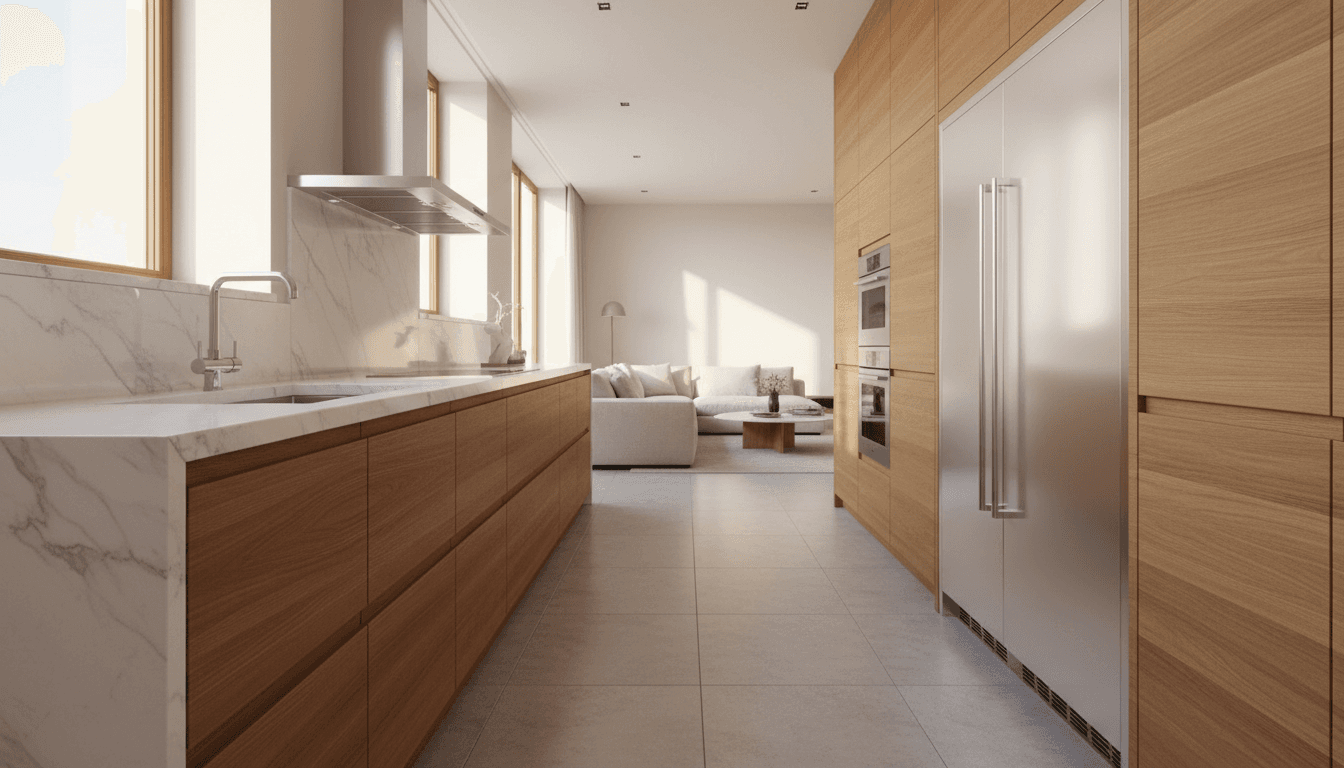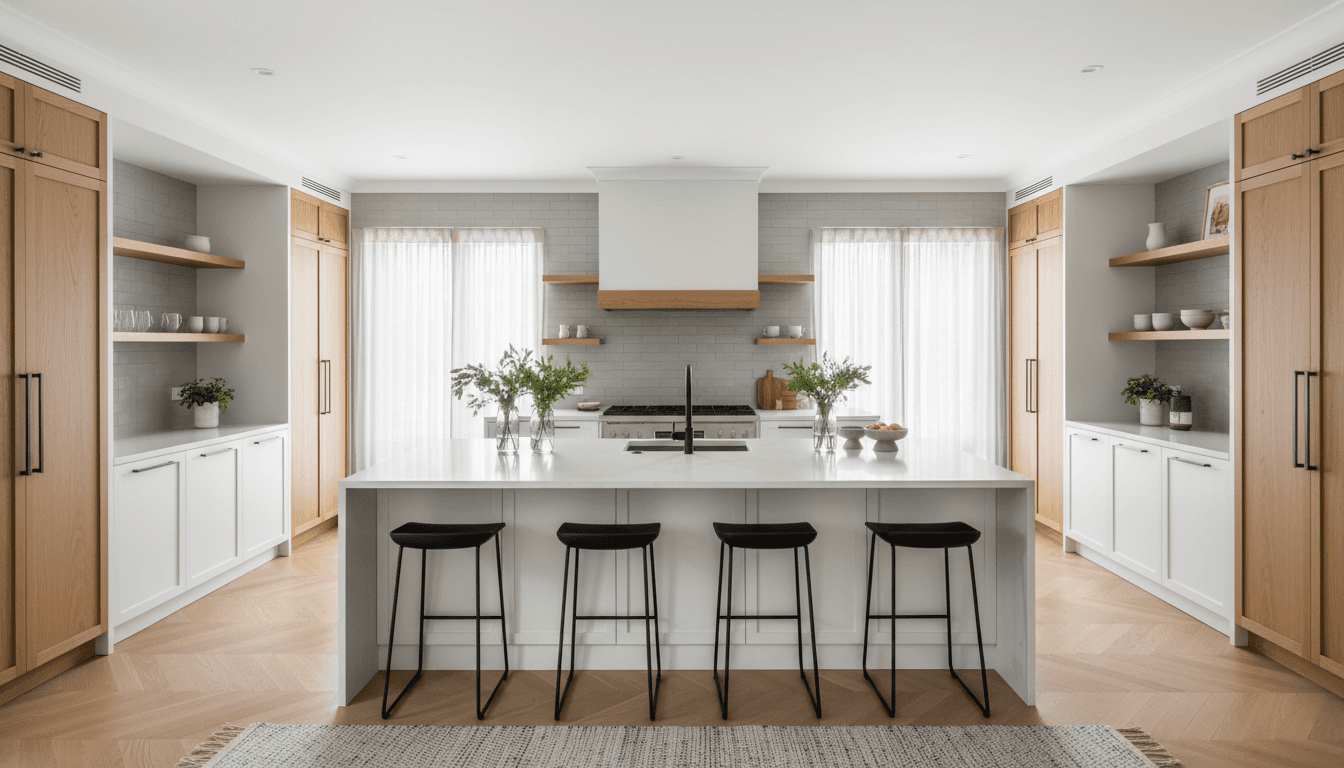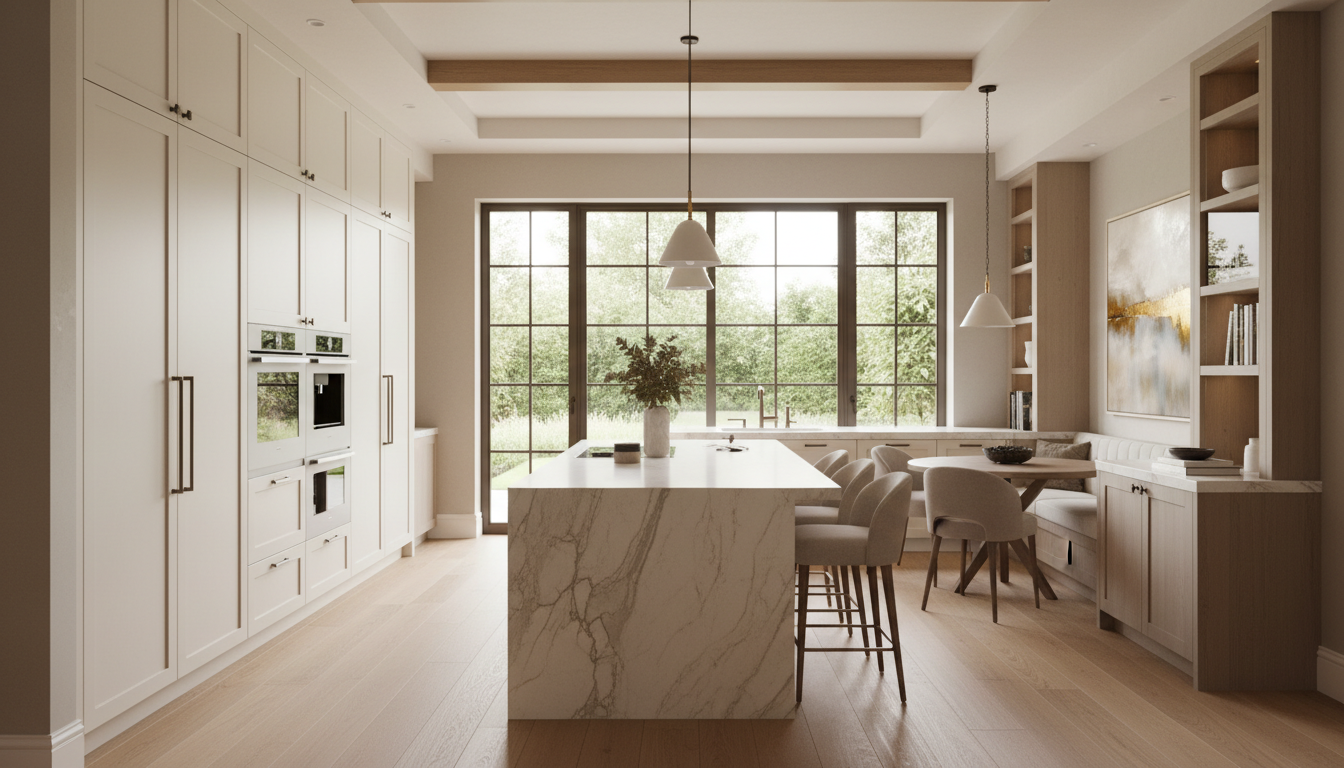
The decision between cabinet refacing vs replacement primarily depends on your budget and whether you want to change your kitchen layout. Refacing is a cost-effective cosmetic update that installs new doors on existing frames; however, full replacement is required for structural repairs or complete floor plan redesigns.
Your kitchen is the heart of your home, yet a dated or worn appearance often transforms this central space into a source of daily frustration. When your cabinetry begins to show its age, you face a pivotal decision that carries significant financial and functional consequences. Choosing between cabinet refacing and a full replacement involves more than just picking a style; it requires a clear understanding of your kitchen's structural integrity and your long-term goals. In this guide, we provide an expert breakdown of the 2026 cost landscape, sustainability factors, and the specific ROI impact for properties in Carbon County. You will learn how to identify when refacing offers the perfect balance of speed and quality, while also recognizing the critical signs that a complete replacement is non-negotiable for a lasting, professional result.
Understanding the Core Differences: Cabinet Refacing vs Replacement
Deciding between cabinet refacing vs replacement starts with understanding exactly how much of your current kitchen structure will remain. Both options offer a significant aesthetic upgrade, but they differ fundamentally in scope, labor, and long-term structural impact.
Cabinet refacing is essentially a structural facelift. The original cabinet boxes, the heavy frames mounted to your walls, stay exactly where they are. The process involves removing the existing doors and drawer fronts and replacing them with entirely new components. To ensure a cohesive look, we apply a matching veneer to all visible exterior surfaces, such as the face frames and end panels. This approach is highly effective for updating the style and color of a kitchen without the disruption of a full demolition.
Full replacement involves a complete tear-out of all existing cabinetry down to the drywall. This path is necessary if you want to change your kitchen’s footprint, upgrade to high-quality cabinet design and fabrication, or if the existing materials have reached the end of their service life. This allows for a total reconfiguration of the space, providing the opportunity to move appliances or add specialized storage.
For Carbon County homeowners, the choice often depends on the age and structural integrity of the home’s original build. Many older residences in Price and Helper feature sturdy, solid wood cabinet boxes that remain level and sound after decades, making them excellent candidates for refacing. However, if your kitchen was built with lower-density particle board that has begun to sag or swell, professional installation services for new cabinetry are usually required to ensure a durable result that lasts another thirty years.
The Cost Breakdown: 2026 Kitchen Remodeling Estimates
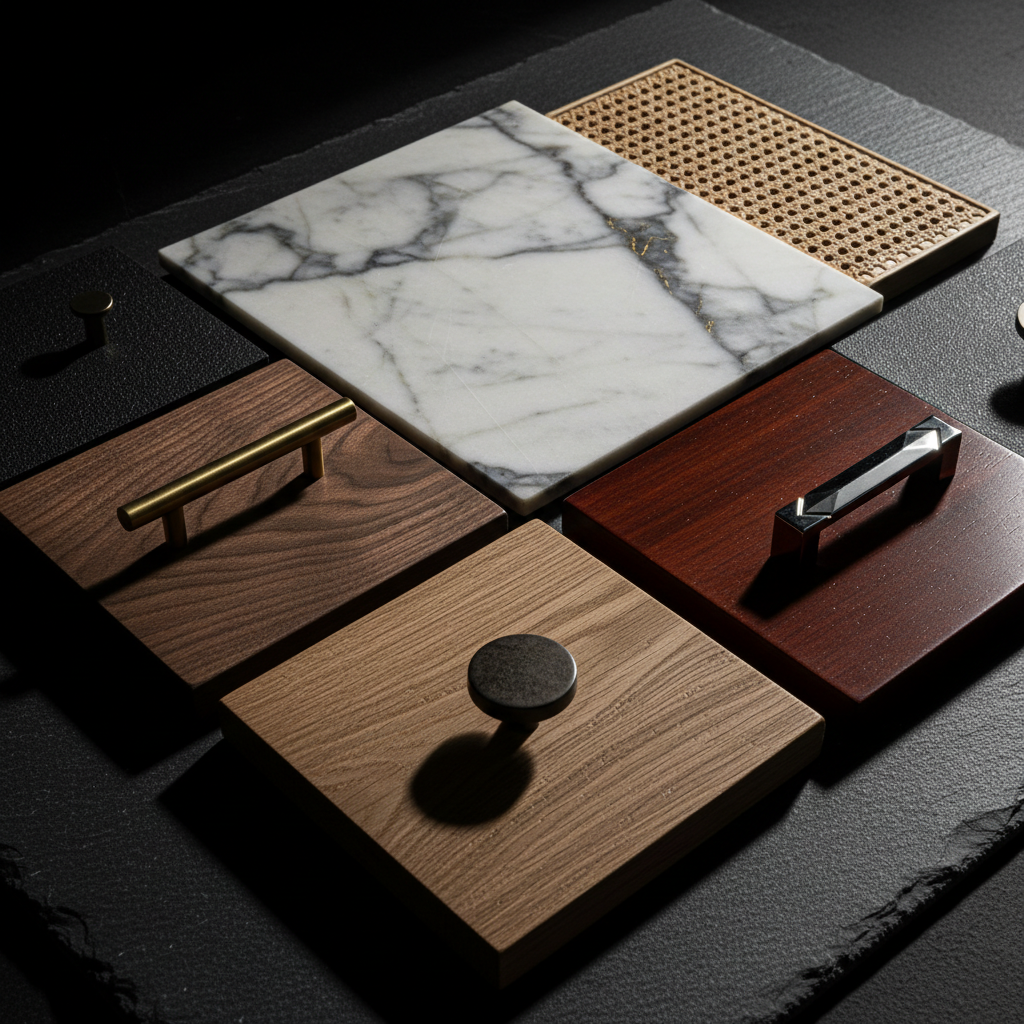
Navigating the financial side of a kitchen remodel requires a clear look at current market projections. For 2026, the gap between cabinet refacing vs replacement remains significant, primarily because refacing avoids the labor-intensive demolition and disposal fees associated with a full tear-out. Homeowners in Utah can expect refacing to cost between 30 and 50 percent less than a total overhaul.
On average, a professional refacing project for a standard kitchen ranges from 4,500 to 10,500 dollars. This price point typically covers new doors, drawer fronts, updated hardware, and the application of matching veneers to the existing boxes. In contrast, a full replacement for a mid-range 10x10 kitchen in 2026 is projected to range from 20,000 to 45,000 dollars. These figures fluctuate based on the specific grade of cabinetry chosen.
Project Type | Estimated Cost (2026) | Primary Cost Drivers |
|---|---|---|
Professional Refacing | $4,500 to $10,500 | New door fronts, hardware, and veneer labor |
Stock Replacement | $15,000 to $22,000 | Pre-built sizes, basic materials, limited styles |
Semi-Custom Replacement | $22,000 to $35,000 | Modified factory dimensions, higher-end finishes |
Custom Fabrication | $35,000 to $45,000+ | Precise fit, local craftsmanship, heirloom quality |
Stock cabinets are mass-produced in fixed sizes, often requiring fillers to fit your space, while semi-custom options allow for minor adjustments but still rely on factory-line standards. At Keith Cabinet, our high-quality cabinet design and fabrication focuses on precision. We build to the exact specifications of your Carbon County home, eliminating wasted space and ensuring the boxes are constructed to handle our local climate. While custom work represents the higher end of the replacement spectrum, the investment covers superior joinery and professional installation services that stock options cannot match. Reviewing a portfolio of local kitchen projects can help you visualize how these price points translate into real-world durability and style.
When Refacing is the Better Choice: Speed and Sustainability
Homeowners who are satisfied with their current kitchen layout find that refacing offers a streamlined path to a modern aesthetic. If the workspace efficiency is already optimized for your daily routine, there is little reason to endure the disruption of a full demolition.
The primary advantage of choosing refacing in the cabinet refacing vs replacement debate is the condensed timeline. A professional crew can typically complete a refacing project in two to five days. In contrast, a full replacement often renders a kitchen unusable for two to six weeks. This speed makes refacing an excellent option for those who want a dramatic transformation without the prolonged loss of their cooking space.
From an environmental perspective, refacing is the more sustainable choice for Carbon County residents. By reusing structurally sound cabinet boxes, you significantly reduce the amount of construction debris sent to local landfills. It is a practical way to minimize waste while still achieving a high-end look through high-quality cabinet design and fabrication. This approach is ideal for cosmetic updates, such as switching from dated oak to a modern shaker style or a contemporary paint color. For those curious about the visual impact, viewing a portfolio of local kitchen projects demonstrates how much a surface-level update can refresh a home’s interior without the complexity of a total rebuild.
When Full Cabinet Replacement is Non-Negotiable
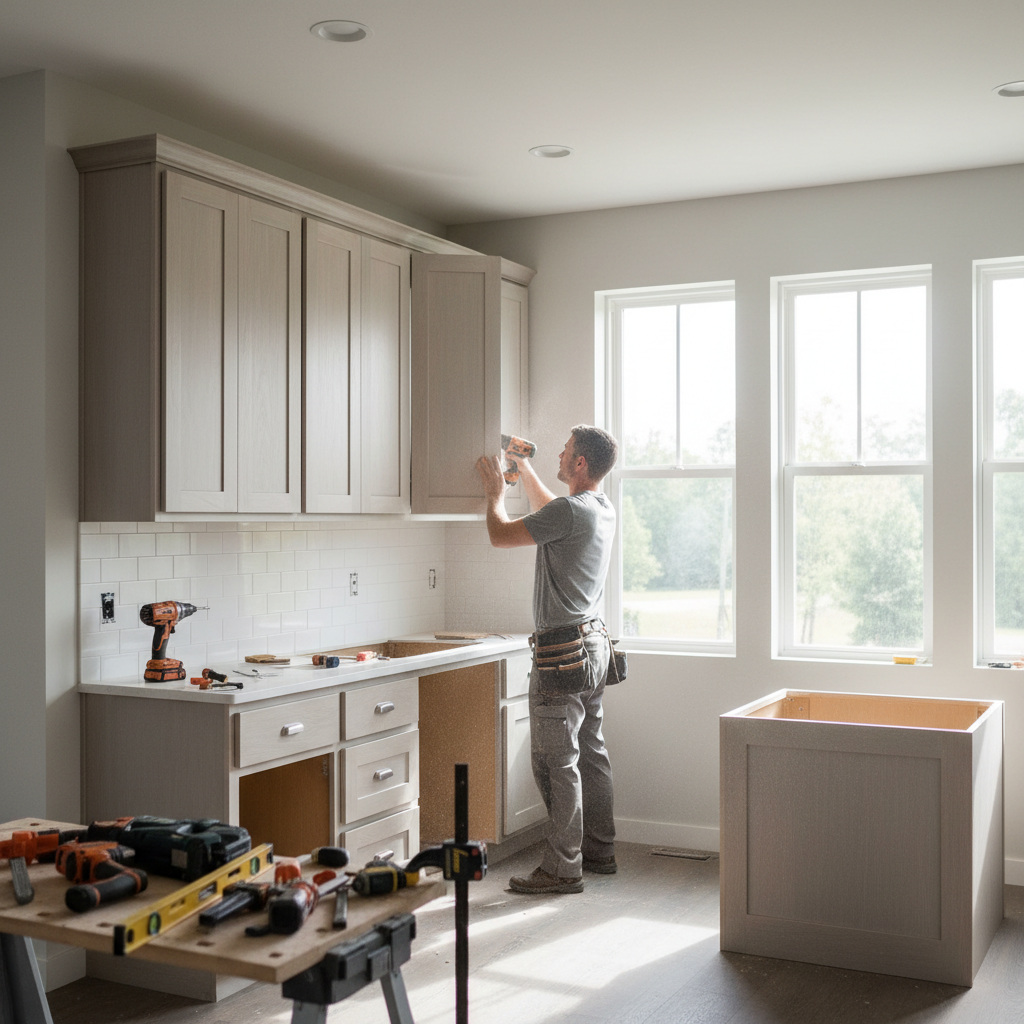
While refacing solves aesthetic issues, certain structural realities make it an unwise investment. The primary deal-breaker is compromised material integrity. If your existing cabinet boxes are constructed from low-density particle board that has begun to sag, crumble, or swell from moisture, they cannot support the weight of new doors. In many Carbon County homes built two or three decades ago, these builder-grade boxes have simply reached their expiration date. Applying a high-end veneer to a failing structure is like painting over dry rot; the underlying issue will eventually cause the new finish to fail.
Water damage is another non-negotiable factor. If there is evidence of mold or structural softening under the kitchen sink or near the dishwasher, those boxes must be removed. Similarly, if your current layout feels cramped or inefficient, the cabinet refacing vs replacement debate leans heavily toward a full remodel. Refacing locks you into your existing footprint. If the goal is to relocate a sink, integrate a modern dishwasher where one does not currently exist, or install a floor to ceiling pantry for better organization, full replacement is the only viable path forward.
Modern high-quality cabinet design and fabrication utilizes 3/4-inch plywood for the boxes, providing a level of rigidity and moisture resistance that old mass-produced units lack. Transitioning to new cabinetry allows you to benefit from professional installation services that ensure every unit is perfectly level and plumb. This is a critical step when preparing for heavy granite or quartz countertops. If the core of your kitchen is failing, a full tear-out provides the clean slate necessary for a truly durable, functional space.
Longevity and Durability: How Long Do They Actually Last?
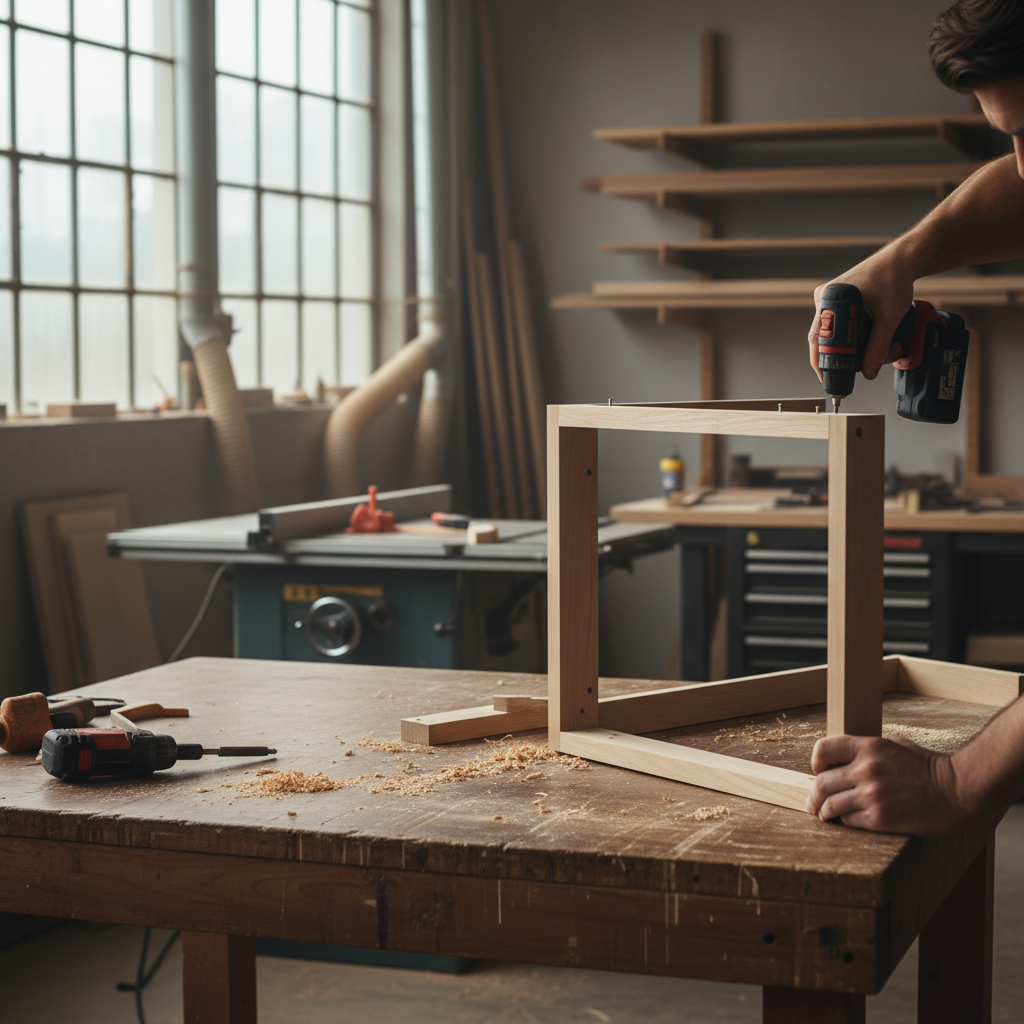
When weighing cabinet refacing vs replacement, the most significant difference lies in the projected lifespan of the materials. A professionally executed refacing project typically provides a 10 to 15 year service life. While this is a substantial window, the longevity is ultimately capped by the endurance of the adhesive bond and the condition of the underlying original boxes.
In contrast, new custom units from Keith Cabinet are designed with a 25 to 50 year horizon. This durability comes down to material selection tailored for our local environment. Carbon County features a high desert climate with exceptionally low humidity. This environment is particularly harsh on mass produced veneers and thin laminates used in many budget refacing kits, which can become brittle or delaminate over time as the substrate expands and contracts.
Our high-quality cabinet design and fabrication utilizes thicker wood components and stable plywood boxes that resist the shrinking and swelling common in Utah. By choosing professional installation services for entirely new units, you are investing in joinery that remains tight and hardware that functions smoothly for decades rather than years. While refacing offers a reliable mid term solution, custom replacement provides a permanent structural asset to the home. You can view our portfolio of local kitchen projects to see examples of builds designed to withstand the test of time in Price and across the region.
ROI and Home Value Impact in Carbon County
When evaluating the financial impact of cabinet refacing vs replacement, the return on investment (ROI) tells two different stories based on your long term goals. Refacing often yields a higher percentage ROI, typically between 80 and 96 percent. This efficiency stems from lower upfront costs, making it an excellent choice for a quick cosmetic refresh or a property intended for a fast flip in the local Carbon County market where a modern look is needed on a tight budget.
However, total property value increases more dramatically with a full renovation. In high end residential listings across Utah, buyers prioritize entirely new, modern kitchens over cosmetic updates. A potential buyer will typically pay a premium for high-quality cabinet design and fabrication over a kitchen where the original, older boxes have simply been veneered. While refacing offers a high percentage return on a small spend, professional installation services for custom cabinetry increase the home's overall equity and marketability. If you are preparing a luxury property for sale, a look through a portfolio of local kitchen projects confirms that full custom builds provide the substantial value increase that appraisers look for in premium homes.
Common Problems with Refacing and How to Avoid Them

The primary downside of cabinet refacing is that it remains a surface level treatment. While the exterior looks new, the interiors of your cabinets stay exactly as they were, often showing years of wear, stains, or outdated finishes. This contrast can be jarring every time you open a drawer or cabinet door. Furthermore, subpar refacing projects frequently suffer from delaminating veneers. In Carbon County’s low humidity climate, cheap adhesives tend to dry out and fail, causing the new skins to bubble or peel away from the frame over time.
Mismatched wood grains and inconsistent finish sheens are also common when components are sourced from different mass manufacturers. To avoid these pitfalls, it is essential to work with a local specialist who provides high-quality cabinet design and fabrication. A professional ensures that veneers are industrial grade and that the new door fronts are perfectly color matched to the frame skins. Reviewing a portfolio of local kitchen projects helps identify the difference between a thin DIY wrap and professional installation services that utilize durable, furniture grade materials designed to withstand the high desert environment. When navigating the choice of cabinet refacing vs replacement, prioritizing material compatibility ensures your investment does not peel away within a few seasons.